November 25, 2026
Transitioning to reliable off-grid energy or upgrading an aging residential heating system requires careful, meticulous planning, especially when determining how to store fuel safely and efficiently on your residential property. For homeowners residing beyond the reach of municipal utility grids, independent energy storage provides unparalleled security during severe winter storms and unexpected regional power grid failures. The nationwide reliance on this highly versatile energy source underscores its enduring value for reliable residential climate control and daily cooking; indeed, according to the U.S. Energy Information Administration, approximately 6.6 million U.S. households use propane as their primary heating fuel. Making the transition to independent energy requires installing a durable, high-capacity propane tank to keep furnaces, water heaters, and kitchen ranges running smoothly throughout harsh weather conditions. Navigating the complex purchasing process involves far more than simply ordering a steel cylinder and waiting for initial delivery. Understanding how household energy consumption, aboveground versus underground placement, leasing versus buying agreements, site preparation, and ongoing safety maintenance impact your daily comfort empowers discerning property owners to plan infrastructure and invest wisely. Prioritizing masterful fuel storage planning defends valuable household budgets, ensures uninterrupted indoor warmth, and guarantees lasting peace of mind across every passing season for discerning local homeowners and families.
Assessing Capacity Needs for Household Appliances and Heating Systems
The foundational, critical step in establishing an independent energy supply centers on accurately calculating your household's unique daily fuel consumption profile to determine appropriate, safe storage volume. A residence utilizing gas exclusively for a kitchen cooktop or a backyard barbecue requires vastly less capacity than a sprawling rural estate powering a central furnace, continuous hot water heater, gas clothes dryer, and emergency standby generator. If a homeowner purchases an undersized propane tank, frequent fuel delivery refills become a stressful logistical headache, leaving families vulnerable to sudden fuel shortages during prolonged blizzards or regional delivery delays. Conversely, investing in an oversized storage vessel incurs unnecessary upfront costs and requires dedicating excessive yard space. Consulting certified energy professionals allows homeowners to evaluate their appliance BTU ratings, assess seasonal climate demands, and select a perfectly proportioned storage vessel. Sizing your system correctly maximizes delivery efficiency, minimizes stressful winter refill anxiety, and keeps your residence comfortably heated during bitter cold fronts.
Selecting Between Underground and Aboveground Installation Methods
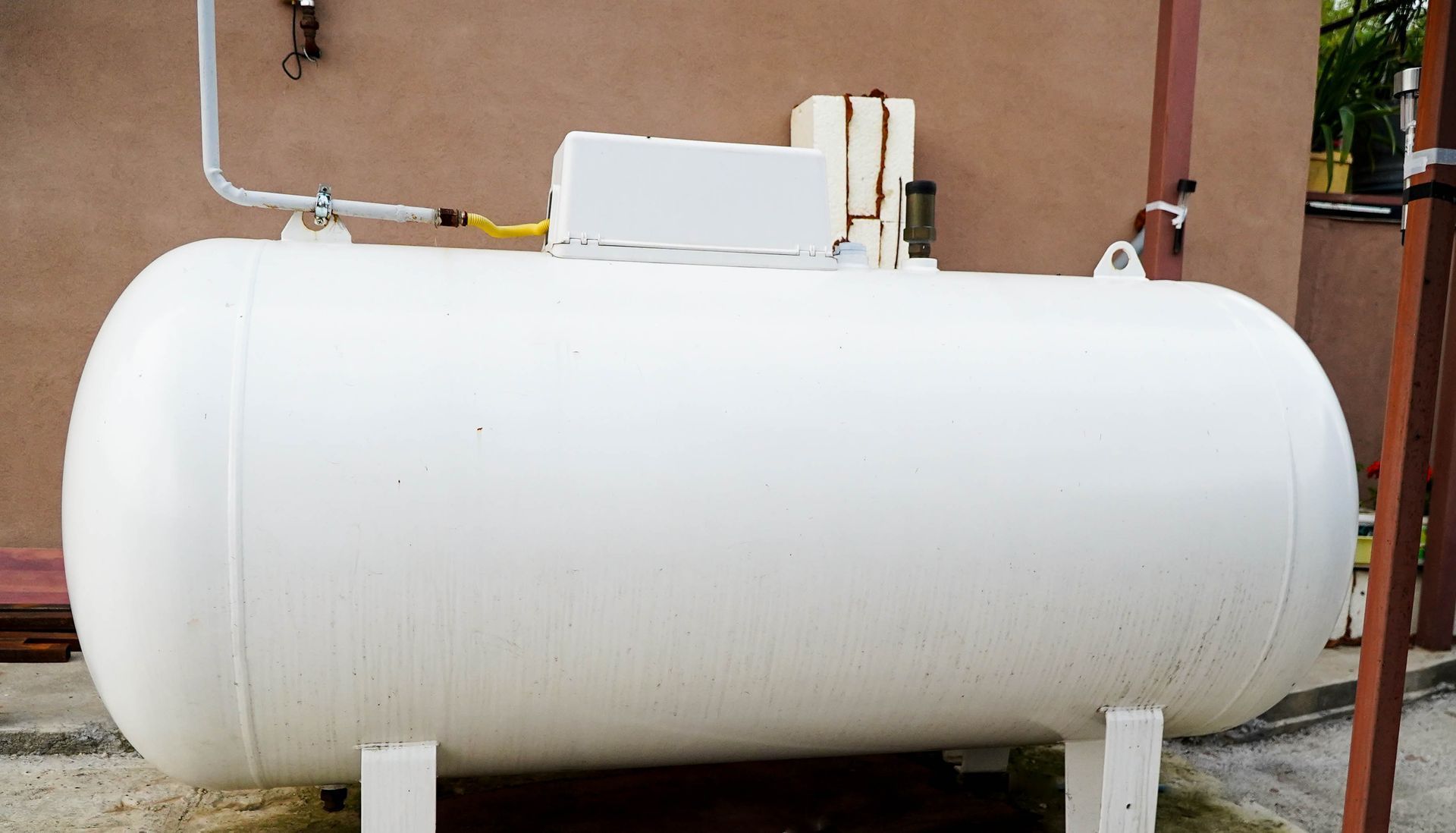
Once total capacity requirements are firmly established, thoughtful property owners must decide whether to position their storage vessel visibly above the soil or bury it discreetly beneath the backyard landscaping. Aboveground installations present a highly practical, cost-effective, straightforward solution, allowing technicians to inspect valves, monitor gauges, and perform routine structural maintenance with absolute ease. However, many homeowners find large cylindrical steel vessels visually obtrusive and prefer underground installations to preserve pristine architectural sightlines and manicured backyard garden aesthetics. Burying a propane tank requires specialized excavation, heavy excavation machinery, and sacrificial cathodic protection anodes to prevent subterranean soil moisture from corroding the steel hull over passing decades. While subterranean placement involves higher initial trenching excavation investments, it completely conceals the fuel supply, shielding the storage vessel from extreme ambient temperature fluctuations and accidental yard vehicular impacts. Carefully weighing upfront installation costs against long-term landscape aesthetics ensures seamless, visually pleasing property integration for discerning homeowners.
Evaluating Leasing Versus Purchasing Options for Fuel Storage
Acquiring residential fuel storage involves a major, critical financial crossroad: leasing the equipment directly from a dedicated, trusted regional fuel supplier or purchasing the vessel outright for complete independent ownership. Leasing options offer exceptional convenience, as the delivery provider retains full ownership and assumes total responsibility for all ongoing mechanical maintenance, repairs, mandatory safety inspections, and eventual equipment replacement. However, leasing strictly binds the homeowner to that specific company for all future fuel deliveries, eliminating the ability to shop around for competitive market rates. Outright purchase of a propane tank requires a substantial, upfront initial capital investment but grants the homeowner ultimate financial freedom to purchase fuel from any regional supplier offering the best competitive seasonal pricing. Purchasing also shifts all regulatory compliance, valve maintenance, and structural testing recertification responsibilities directly onto the homeowner. Evaluating your long-term budget, maintenance tolerance, and desire for market flexibility guides this vital financial decision for your household energy future.
Preparing the Installation Site for Safety and Delivery Access
Regardless of whether you choose an exposed outdoor or discreetly buried installation, preparing the physical site demands strict adherence to rigorous federal safety codes and practical logistical winter delivery requirements. Safety regulations dictate strict, required minimum clearance distances between the storage vessel and any residential structures, property lines, ignition sources, or intake vents to prevent hazardous, flammable vapor accumulation. Additionally, fuel delivery trucks require clear, stable gravel driveway access and a direct, unobstructed path to safely drag thick, heavy-duty hoses toward the fill valve during harsh winter weather. Positioning your propane tank too far from the driveway or behind intricate, dense impenetrable landscaping creates severe delivery obstacles that can delay essential winter refills. Homeowners must collaborate closely with licensed installers to grade the installation site perfectly flat, pour solid concrete foundation pads for aboveground units, and ensure the delivery path remains easily accessible year round. Meticulous site preparation prevents municipal code violations and guarantees seamless, safe fuel deliveries throughout the harshest winter weather.
Maintaining Your Fuel System for Long-Term Reliability and Safety
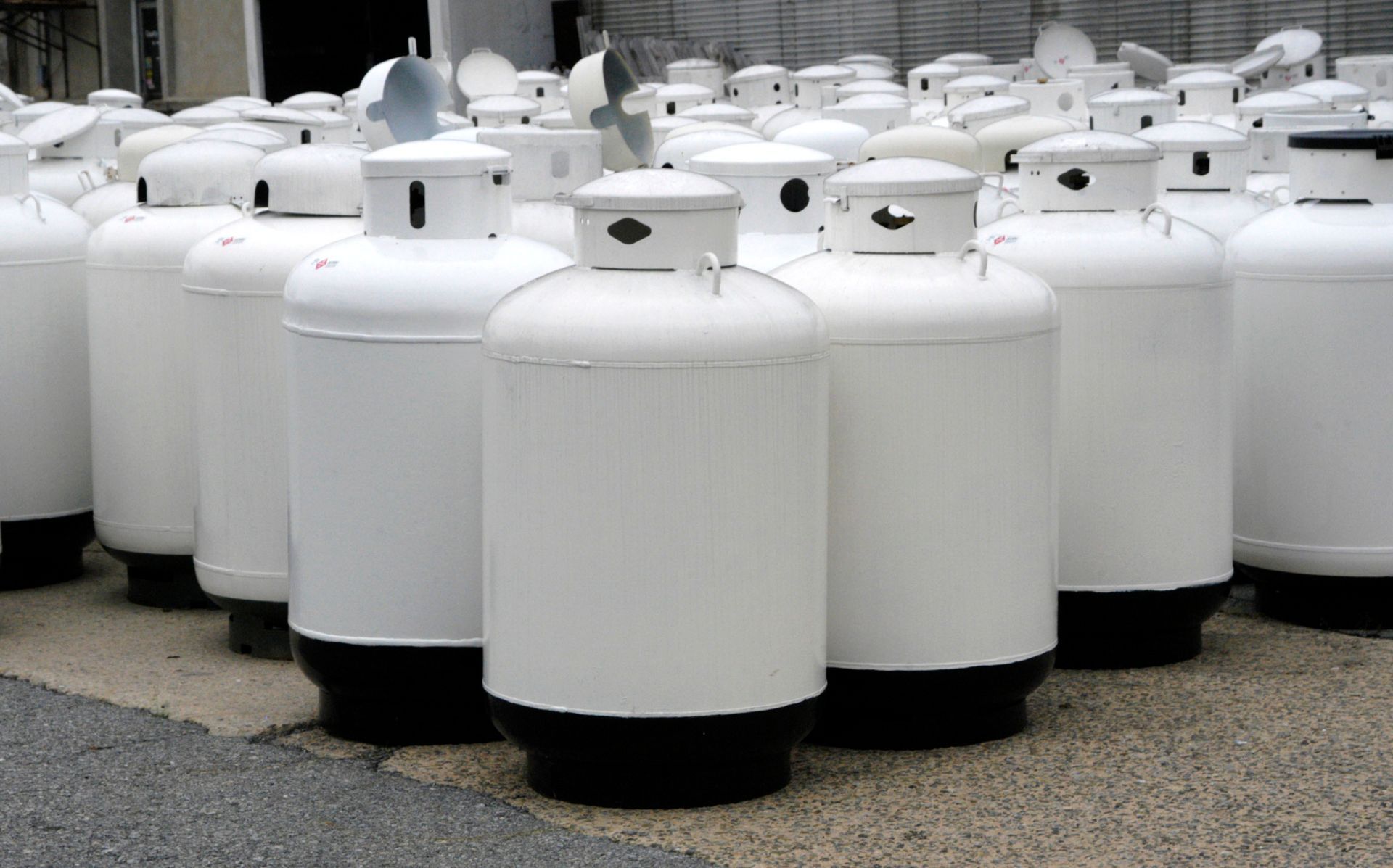
Although heavy-duty fuel storage vessels are engineered to withstand extreme outdoor weather environments, they still require disciplined, periodic preventive maintenance to ensure leak-free operation and structural integrity over passing decades. Homeowners must routinely inspect the exterior steel shell for creeping rust, peeling exterior paint, or physical dents, while keeping the surrounding area completely free of overgrown weeds, dry brush, and flammable, combustible debris. The sensitive pressure relief valves, regulators, and level gauges attached to the propane tank demand professional testing by certified technicians to verify proper mechanical system calibration and detect microscopic vapor leaks before they escalate into dangerous, costly emergencies. Furthermore, maintaining a bright, reflective exterior paint color on exposed vessels deflects intense, direct solar radiation, preventing internal pressure from spiking dangerously during scorching, intense summer heatwaves. Proactive, diligent maintenance preserves the structural lifespan of your equipment and protects your family from dangerous, unseen mechanical hazards.
Investing in a robust, reliable residential fuel storage system empowers thoughtful homeowners to take absolute control over their household energy security, ensuring enduring warmth and comfort regardless of unexpected municipal grid failures. Transitioning to independent fuel requires methodical planning, from accurately calculating appliance loads and choosing between discreet buried or accessible exposed installations to navigating the financial implications of leasing versus buying. By preparing a safe, code-compliant delivery site, conducting proactive seasonal maintenance, and securing automated refill schedules, families create a resilient, highly self-sufficient energy infrastructure. Bypassing rushed, uninformed decisions in favor of collaborating with certified energy specialists ensures your property remains protected, compliant, and comfortably heated. Proactive energy stewardship prevents sudden winter shortages, extends the lifespan of expensive storage equipment, and enhances overall property value.
At Low Price Gas, our dedicated team brings deep residential energy expertise, comprehensive safety compliance knowledge, and an unwavering commitment to dependable, honest customer service on every residential installation we perform, ensuring your household achieves maximum heating efficiency, unyielding safety, and extraordinary comfort across every passing extreme weather season. Contact us today or visit our website online today to schedule your personalized energy consultation and discover the lasting, protective value of working with trusted fuel professionals.